An Object Diary of the Whitney Biennial

Last week I visited a few special art objects on display at the Whitney Biennial, a survey of American art that takes place every other year at the Whitney Museum of American Art. Every piece in the show explored the topic of "relationality" – how our identities form through our connections with others.
The show felt very aligned with Object Diaries: Stories About Human Connection Told One Secret Object at a Time, so I'm excited to share the stories behind a few of the pieces I loved the most.
First, a piece titled blister i by Sula Bermudez-Silverman, who creates sculptures from iron tools and blown glass.
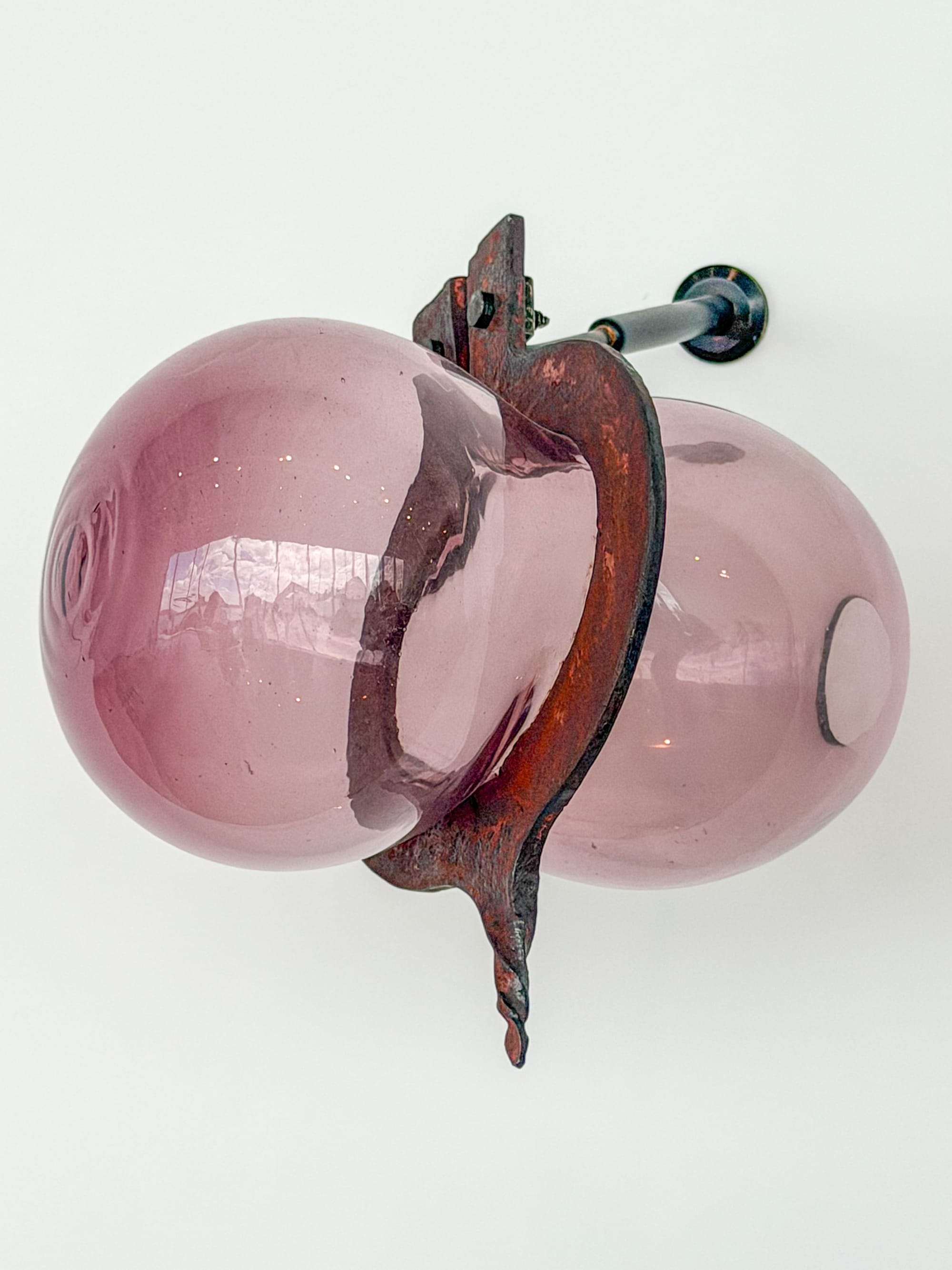
33-year-old multimedia sculptor Sula Bermúdez-Silverman, who is based in Los Angeles, collected a series of antique animal traps and tools from a flea market in Paris and transformed them into works of art by blowing colored glass through their openings. Can you imagine how frightening these objects must have been before the artist remade them?
As you'll notice particularly in the sheep shears below, the tools were sharp and barbaric, with their form revealing their function to control or restrain animals. Each object carries with it a painful, invisible history. By fusing hand-blown glass with rusted steel, Bermudez-Silverman breathes new life into these pieces.
The delicate art of glass blowing repurposes and reimagines spaces that once held animals, imbuing the traps and tools with eerie beauty and fullness. Bermúdez-Silverman described these sculptures as small negotiations between force and fragility.
I found the pieces so visually arresting, I couldn't stop looking at them. I love the way Bermúdez-Silverman describes her work in her Artist Statement: "By reimagining familiar objects, I’m interested in excavating the unseen forces shaping our surroundings."
Below is a pair of sheep shears transformed by the artist, titled "blister iii."
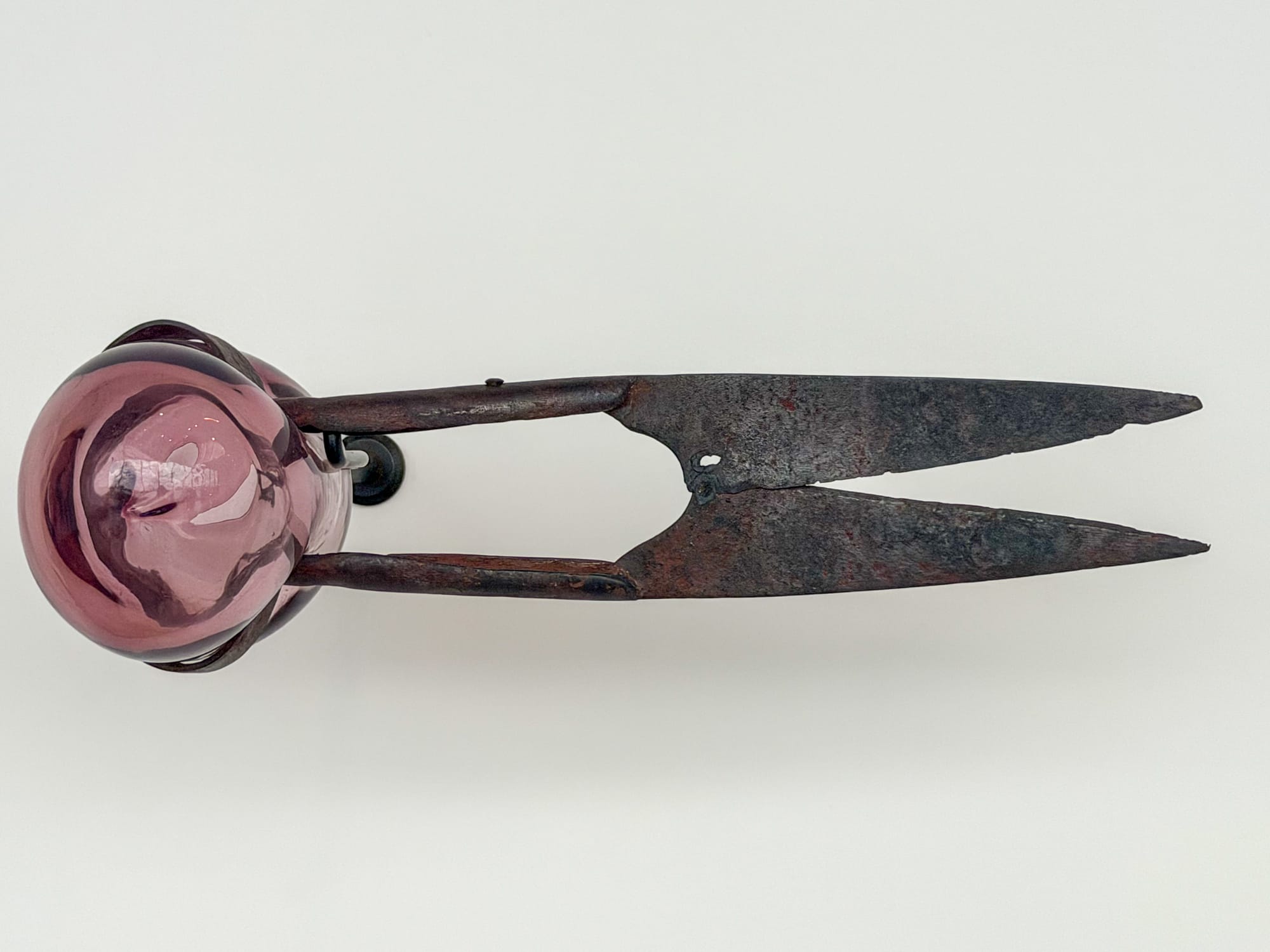
Within each sculpture, you can see sharpness and softness. New and old. Warm and cold. Beauty and cruelty. Human hands crafted both the tool and the art. It's scary and inspiring what we humans can do.
Five Sleeping Babies and Their Grandmother's Paintings
In another room of the Whitney Biennial, I found objects in conversation with one another.
Carmen de Monteflores and Andrea Fraser are a mother-daughter duo whose work appears in the same gallery at the Whitney Biennial.
Andrea Fraser, 61, is a successful performance artist, famous for her institutional critiques. Her mother, Carmen de Monteflores, had once set out to become a successful painter. But after becoming a single mother to five children and facing sexism in the art world of the late 1960s and early 1970s, Carmen stopped painting. She put her work in storage and put her artistic career on hold to become a psychologist.
Fifty years later, as Carmen's daughter's art career flourished, the 82nd edition of the Whitney Biennial reached out to offer a show to Andrea.
By that time, Andrea had discovered her mother's paintings in the storage unit and was working on reviving her mother's career.
Andrea suggested her mother, Carmen de Monteflores, for consideration in the Whitney Biennial. The Whitney accepted the idea, and the two artists' work is now being shown together.
Carmen de Monteflores is 92 years old, and for the first time in her life, she finds her paintings on the walls of a museum. The Whitney, no less.
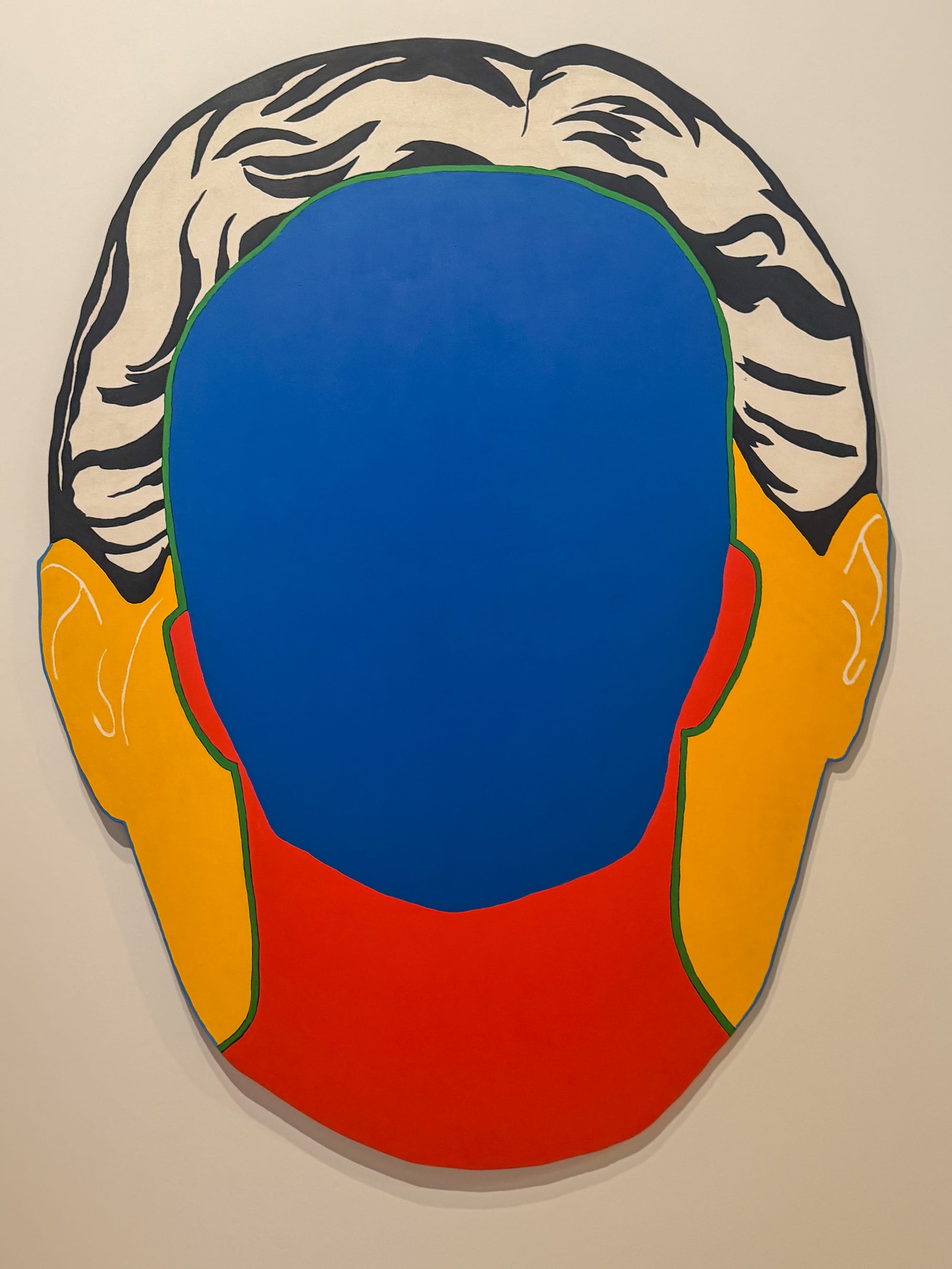
The New York Times reported on Andrea and Carmen's story: "Did This Artist’s Career Bloom Because Her Mother’s Career Died?" Gift link here 🎁. Theirs is a powerful and complex story of art dreams deferred and revived within two generations of women. I also appreciated this Artnet piece exploring the deeper relationship between these two artists.
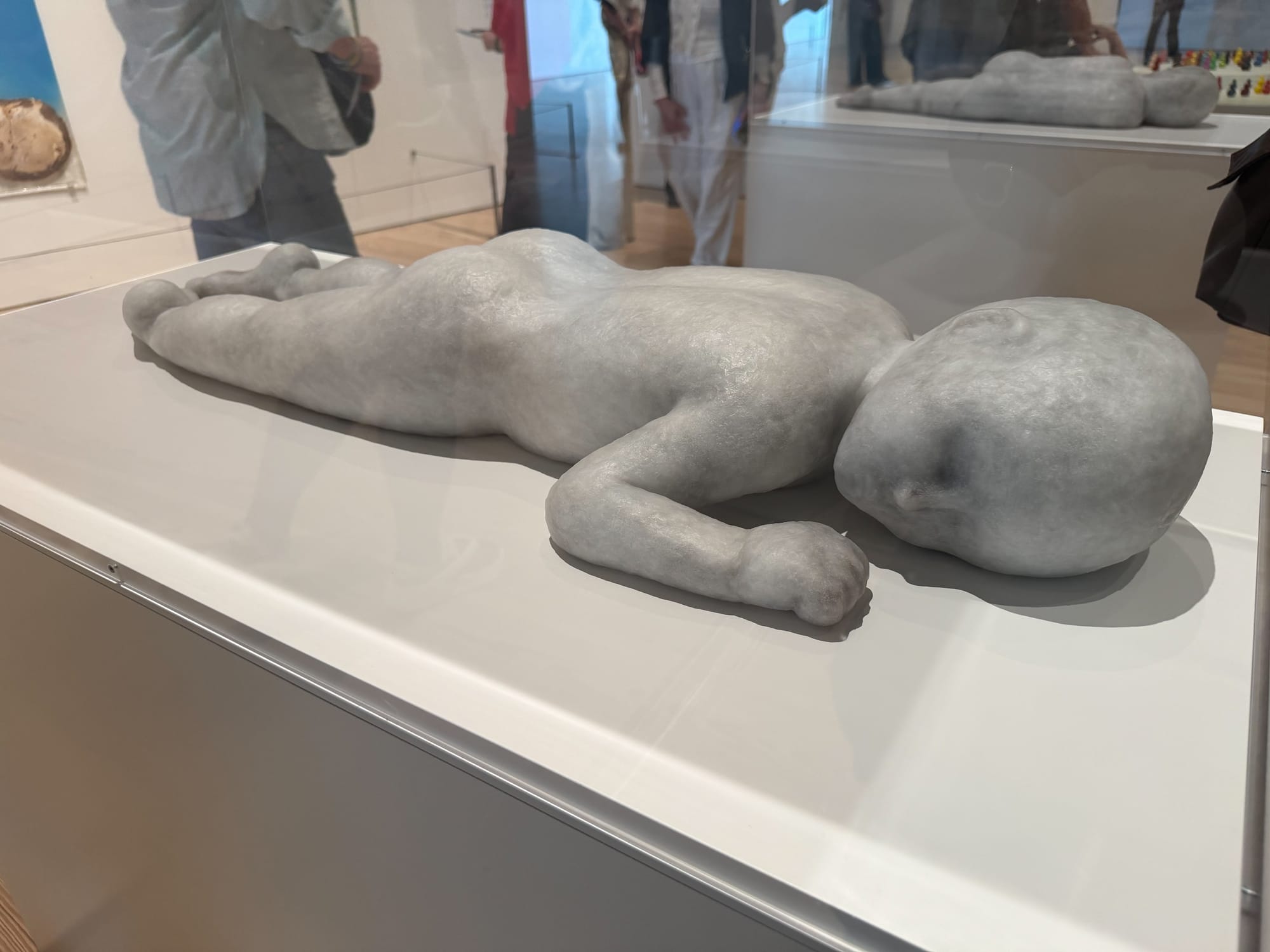
Andrea Fraser's five pieces in the show are sculptures representing her mother Carmen's five children (Andrea is the youngest of the five). Out of wax, aluminum, and steel, Andrea sculpted vulnerable babies in various sleepy poses. I love the way the mother's and daughter's art objects seem to speak to each other in the show. Even in the gallery, the sleeping infants sit beside the mother's paintings, stealing attention from them.
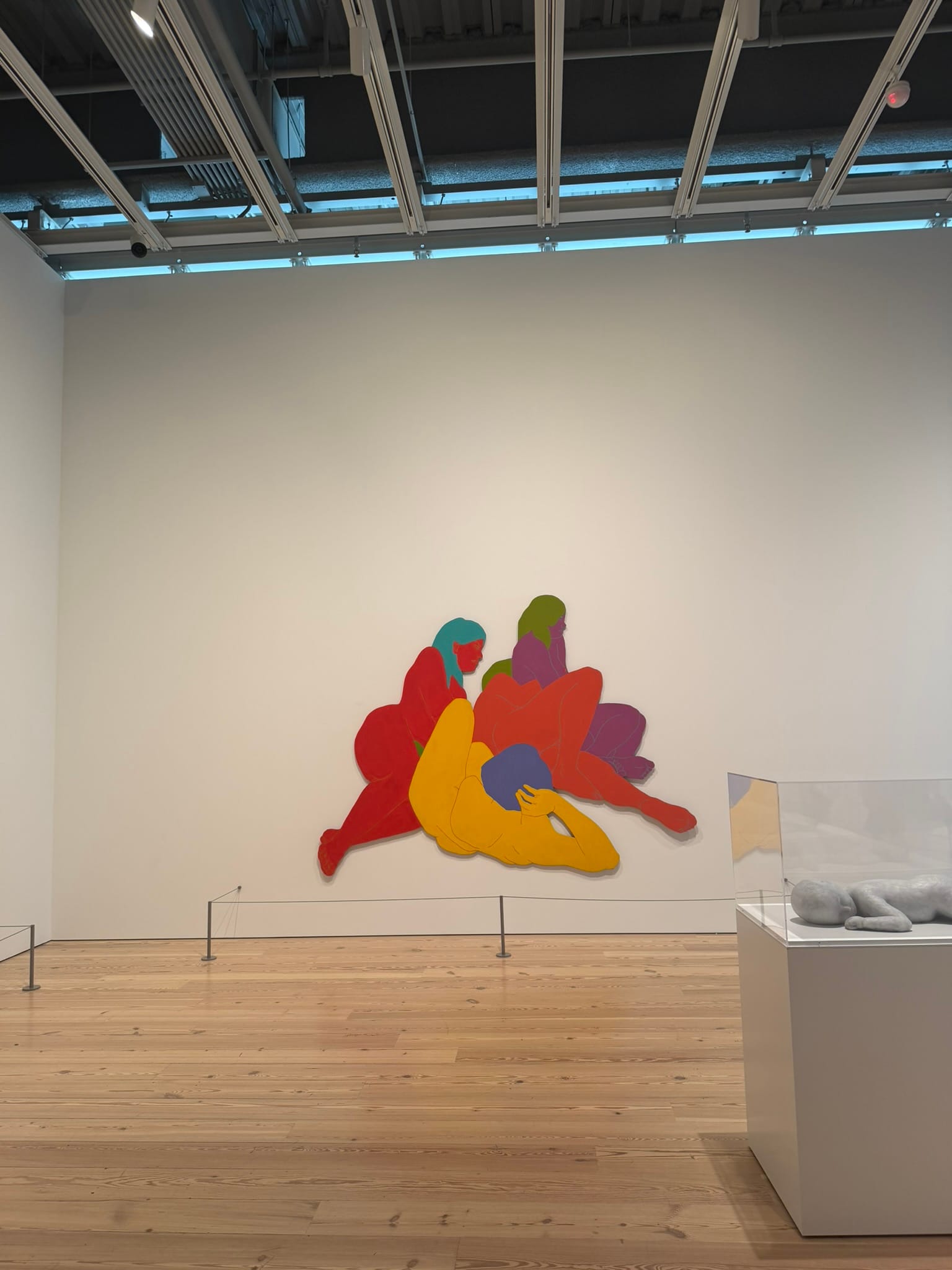
Anyone who has been a caregiver intimately knows the sacrifices and tradeoffs. Andrea has commented publicly about the guilt she's experienced watching her own career flourish while her mother's never could. It is beautiful to see Carmen's art on display now, knowing her daughter's work helped make it possible.
I'd love to hear your thoughts on these pieces and stories. Do any of the pieces I included resonate with you? Why or why not?
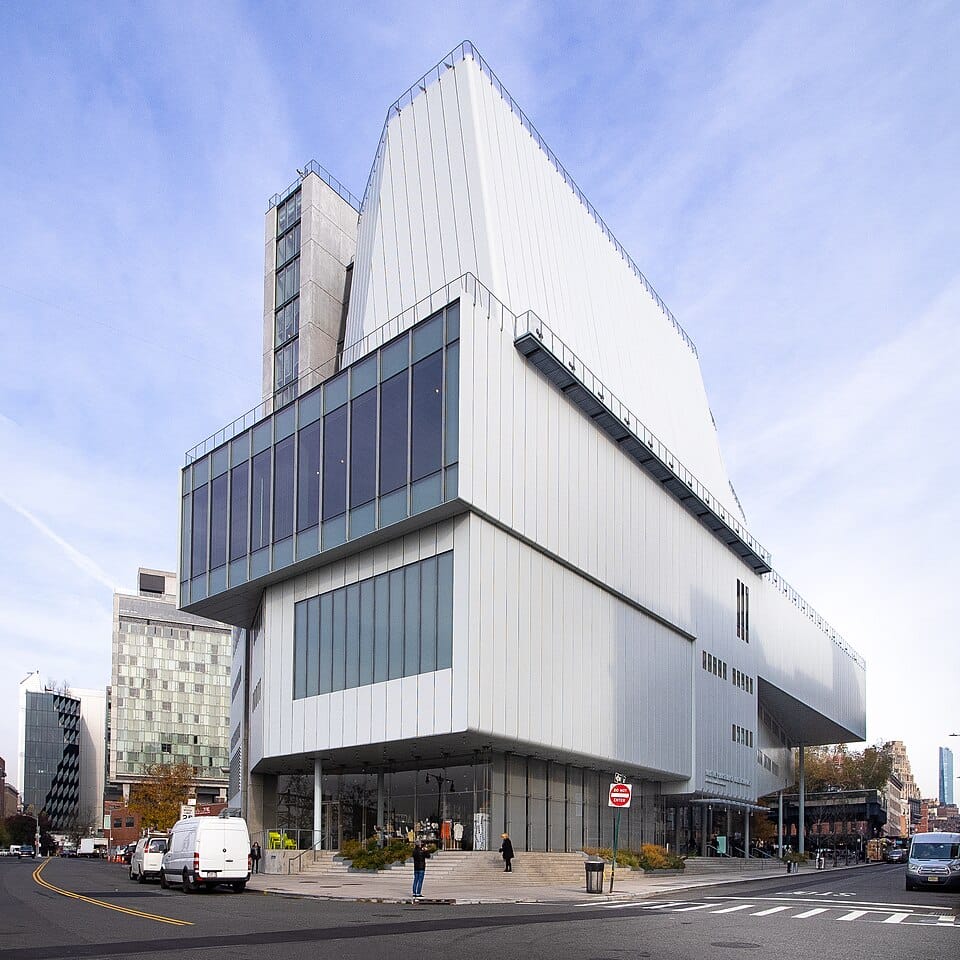
Also, if you'd like to learn more about the 2026 Whitney Biennial or plan a visit, you can explore the museum here.
Thank you for reading!