One teabag, four cups

Inside the National Public Housing Museum
How many times do you reuse a tea bag?
Zero times?
Four times?
Once?
I grew up "steeped" in a culture of conservation and reuse. My grandmother, who lived in an affordable senior housing community, let nothing go to waste. She wrote on both sides of every scrap of paper. And sometimes her chocolate chip cookies had no chips. Eat them anyway, Grandma said.
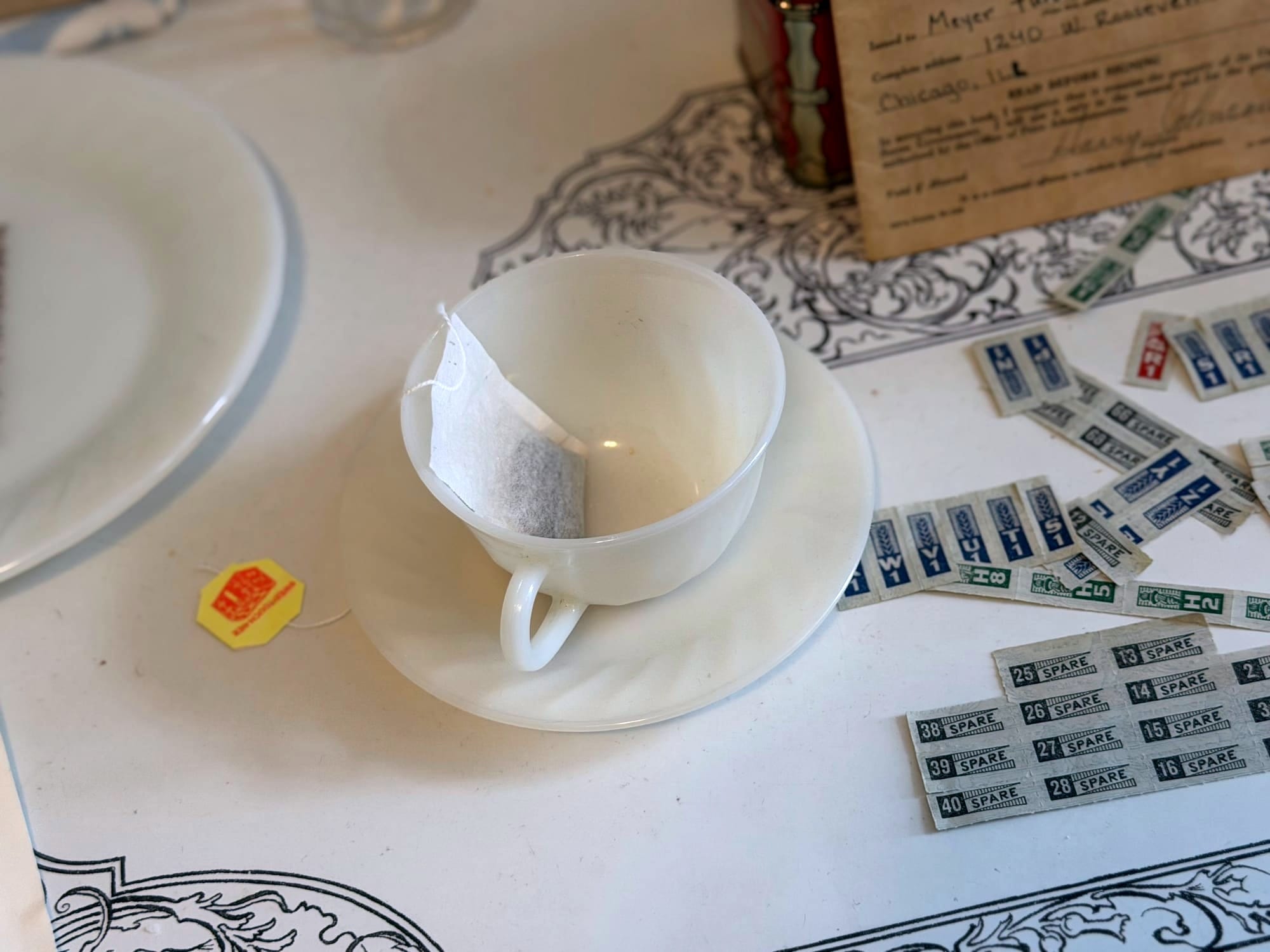
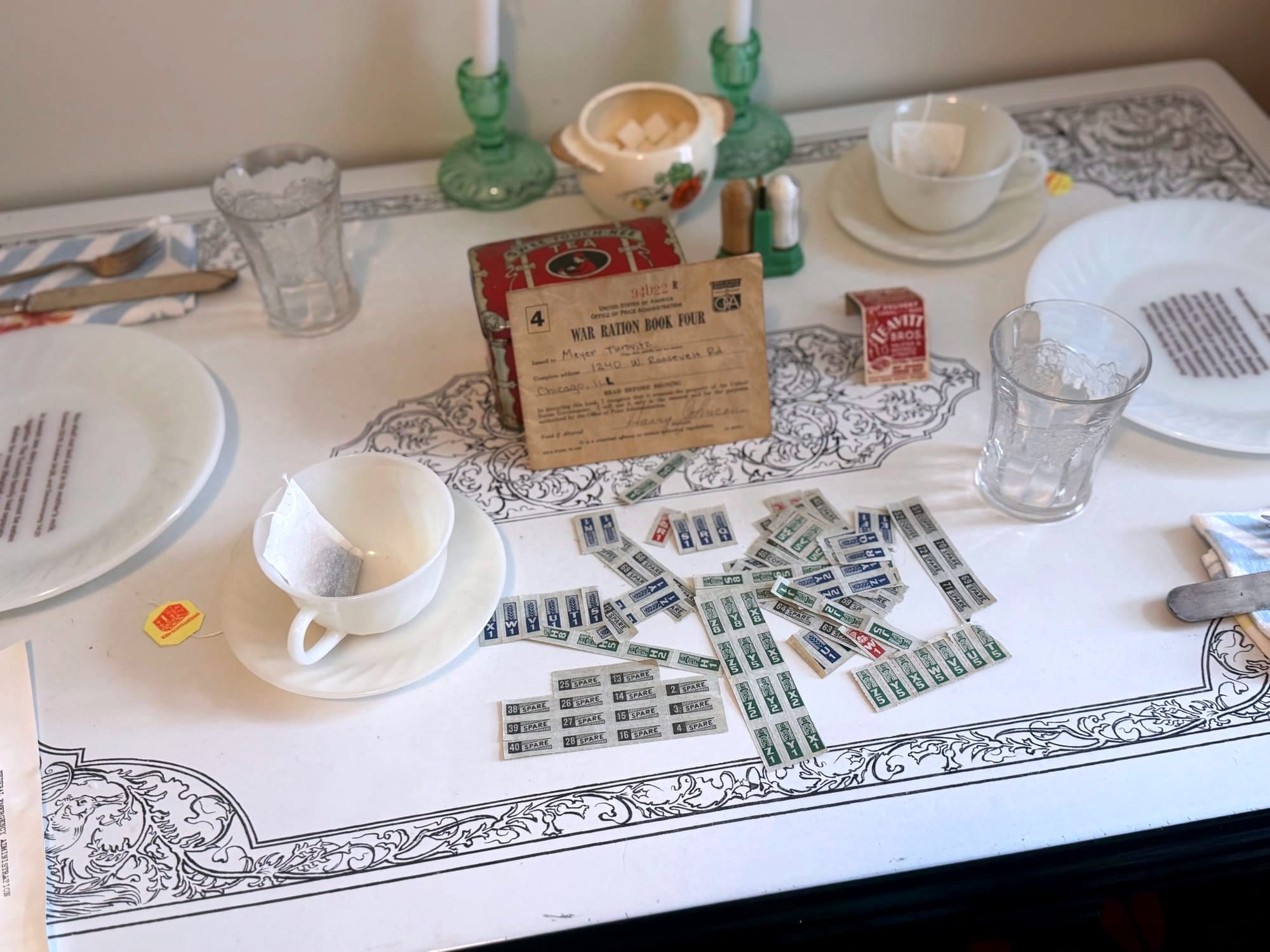
I thought about my grandmother a lot while I visited the National Public Housing Museum in Chicago. On display there was a teacup and a story of a family who squeezed every drop out of their tea bags, using them up to four times. Their story spoke straight to my soul.
The National Public Housing Museum in Chicago serves as a portal to the past, allowing visitors to step into historically accurate apartments that once housed families in the Jane Addams Homes between 1938 and 1976.
The Jane Addams Homes were Chicago's first public housing project. Built during the Great Depression, the Homes were once a sprawling complex of 32 structures. By the 1970s, buildings deteriorated, and a variety of factors, including federal budget cuts, led to demolition. Only one building remains, and it is now home to the National Public Housing Museum.
By developing a museum on the site of the former Jane Addams Homes, visitors can experience the memories, stories, and objects that survived. The museum also serves as a testament to the over 10 million people in America who have lived in public housing.
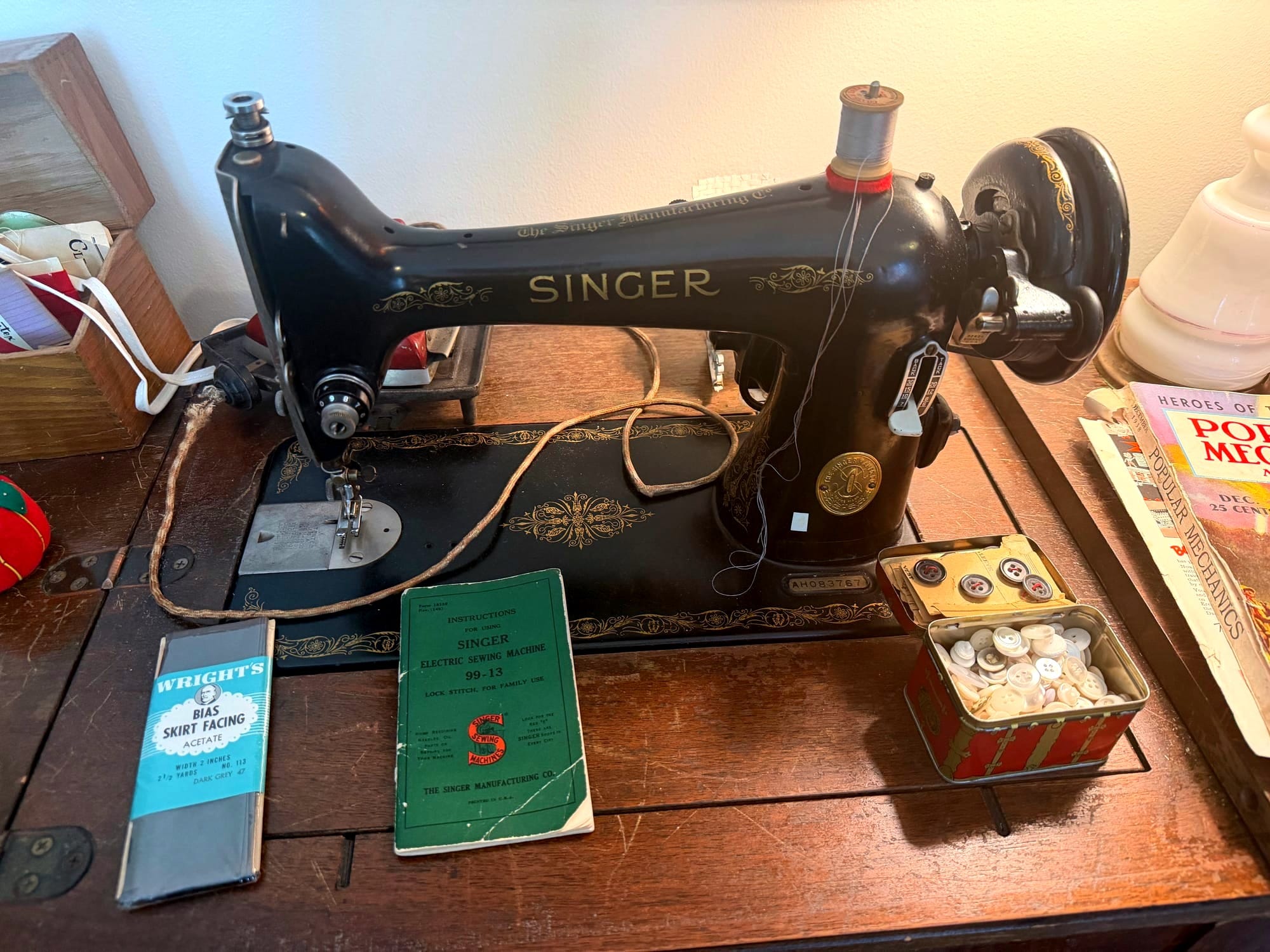
The first apartment I toured belonged to the Turovitz family, who were Jewish, and many of the items were on loan from descendants of the apartment's original inhabitants. The sparsely furnished apartment contained only items that were meaningful or useful. No excess. I loved the tiny tin of buttons and the old Singer treadle sewing machine.
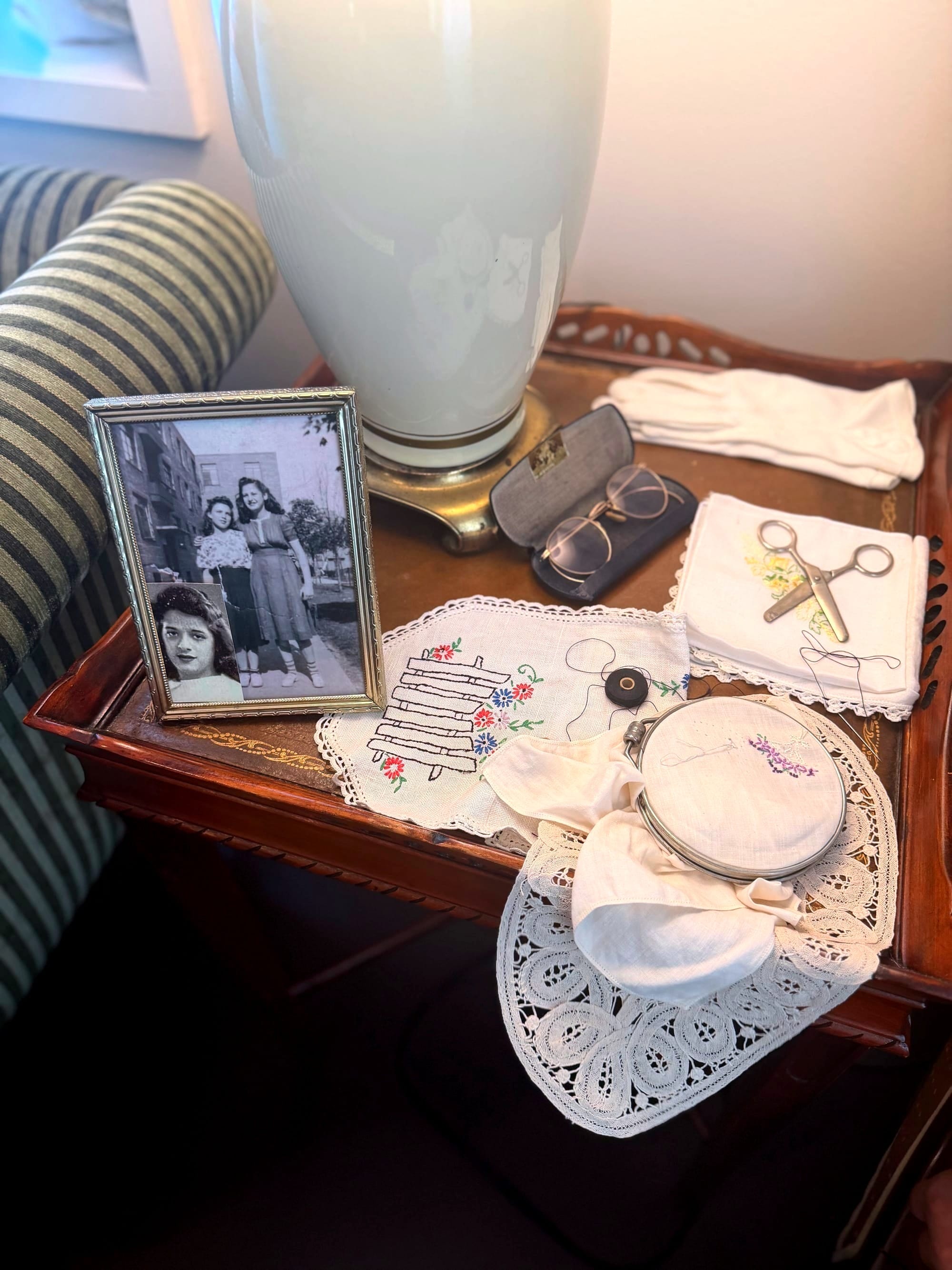
In the living room, beside the couch, an embroidery hoop is ready for nightly stitching along with a pair of scissors, a family photograph, a lamp, and a pair of eyeglasses. Now that embroidery and needlepoint are having a full-on resurgence, this apartment feels notably on point.
The National Public Housing Museum encourages visitors to engage with nearly every item within the historic apartments, even those that appear sacred or delicate. It's part of a larger effort to immerse visitors in the public housing experience, creating intimacy rather than distance.
The tour guides are more like hosts. Gentry Quinones, a current public housing resident, guided my tour. She peppered the tour with historical insights and even gave us goodies to take home with us (more on that in a bit). Gentry appears in this video along with some of the other voices visitors encounter at the museum.
Here's a closer look at the Turovitz kitchen table. War ration stamps arranged beside a delicate teacup and tea bag awaiting steeping and re-steeping (at least three times).
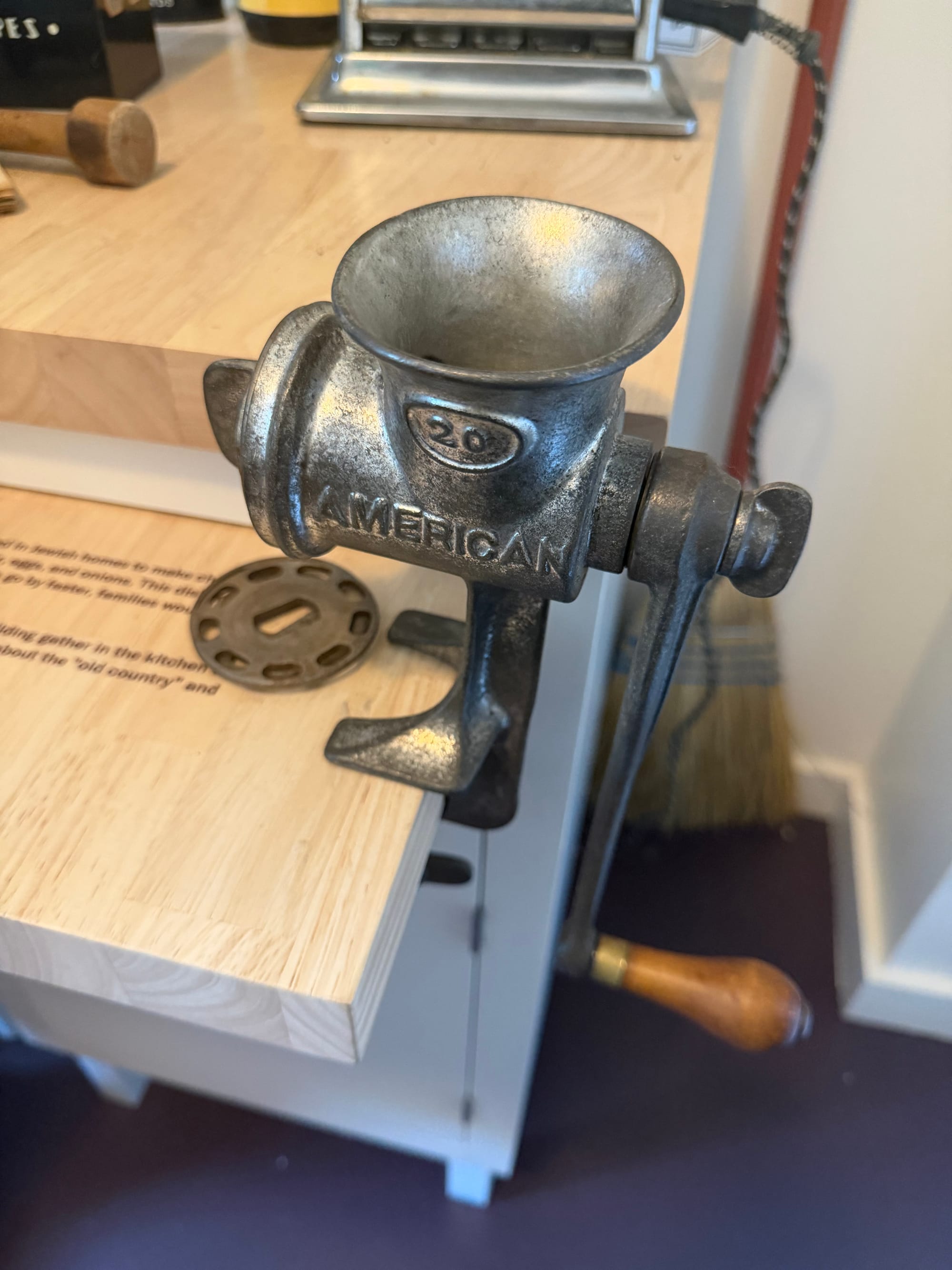
A meat grinder stands atop the counter, ready to prepare kosher gefilte fish, a highly polarizing Jewish delicacy. To enrich the experience, each visitor also receives their own tea bag to take home, along with a kosher candy from the Turovitz apartment.
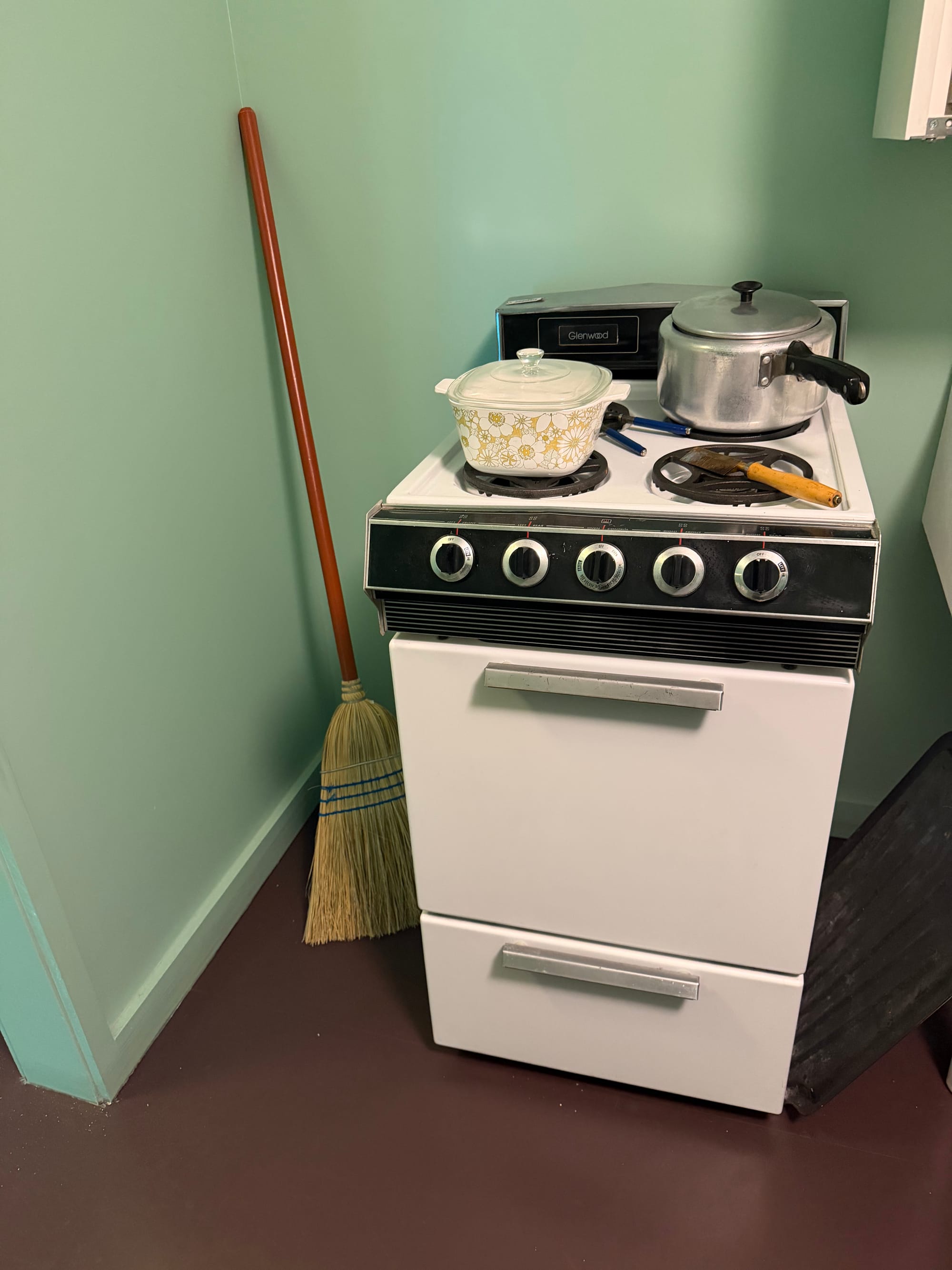
Another apartment on the tour belonged to the Hatch family, who moved into the Jane Addams Homes in 1960. In the Hatch apartment, visitors can cozy up to a small, narrow stove and a kitchen table thoughtfully appointed with a dish of Helen Hatch's famous peanut brittle. Every guest gets to try a sample of the brittle, along with a recipe card to take home.
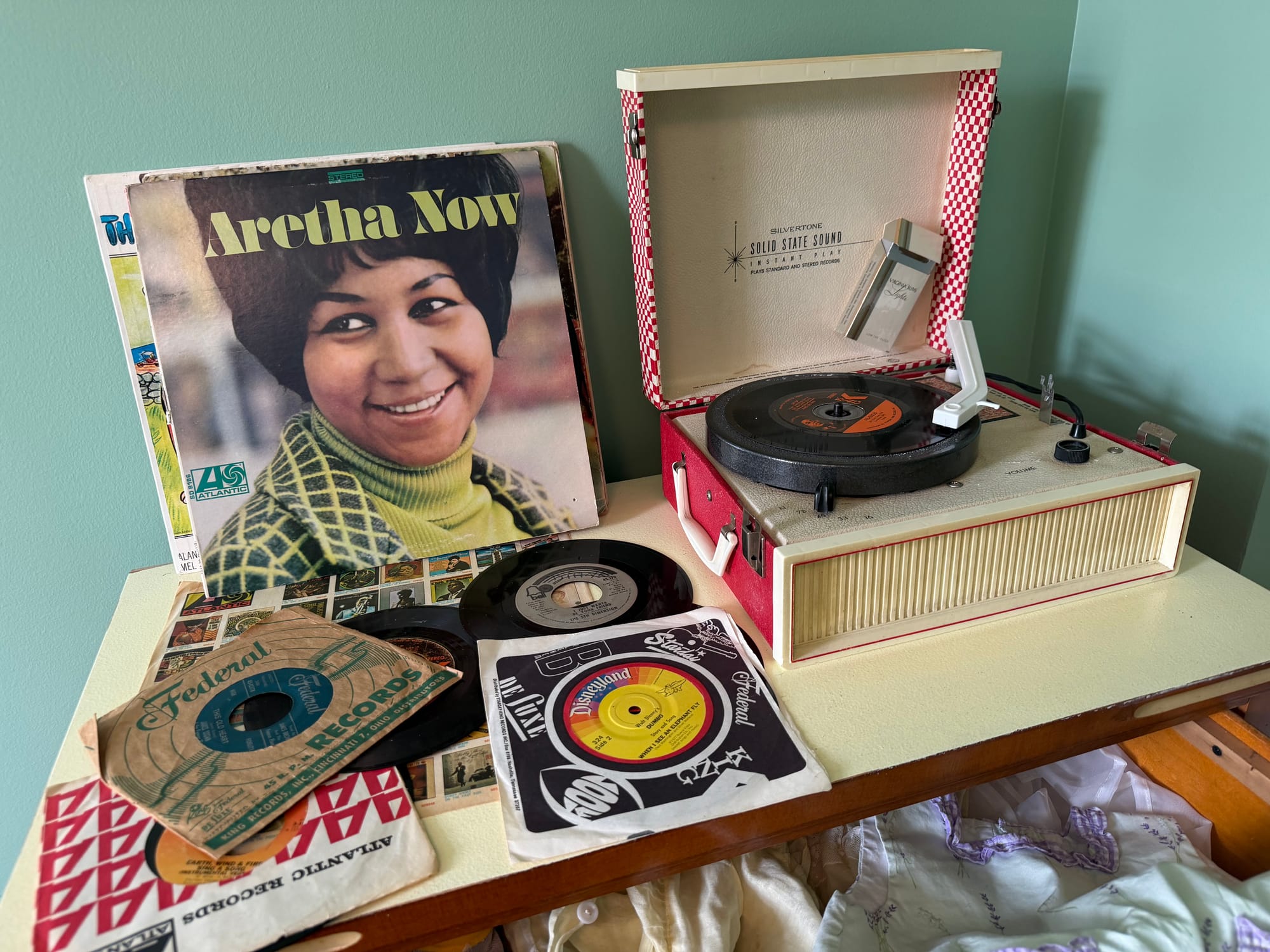
The Hatch family apartment connected two small apartments and housed a family with eight children. Inside a tidy, spartan bedroom the children once shared, there's an Aretha Franklin record on display.
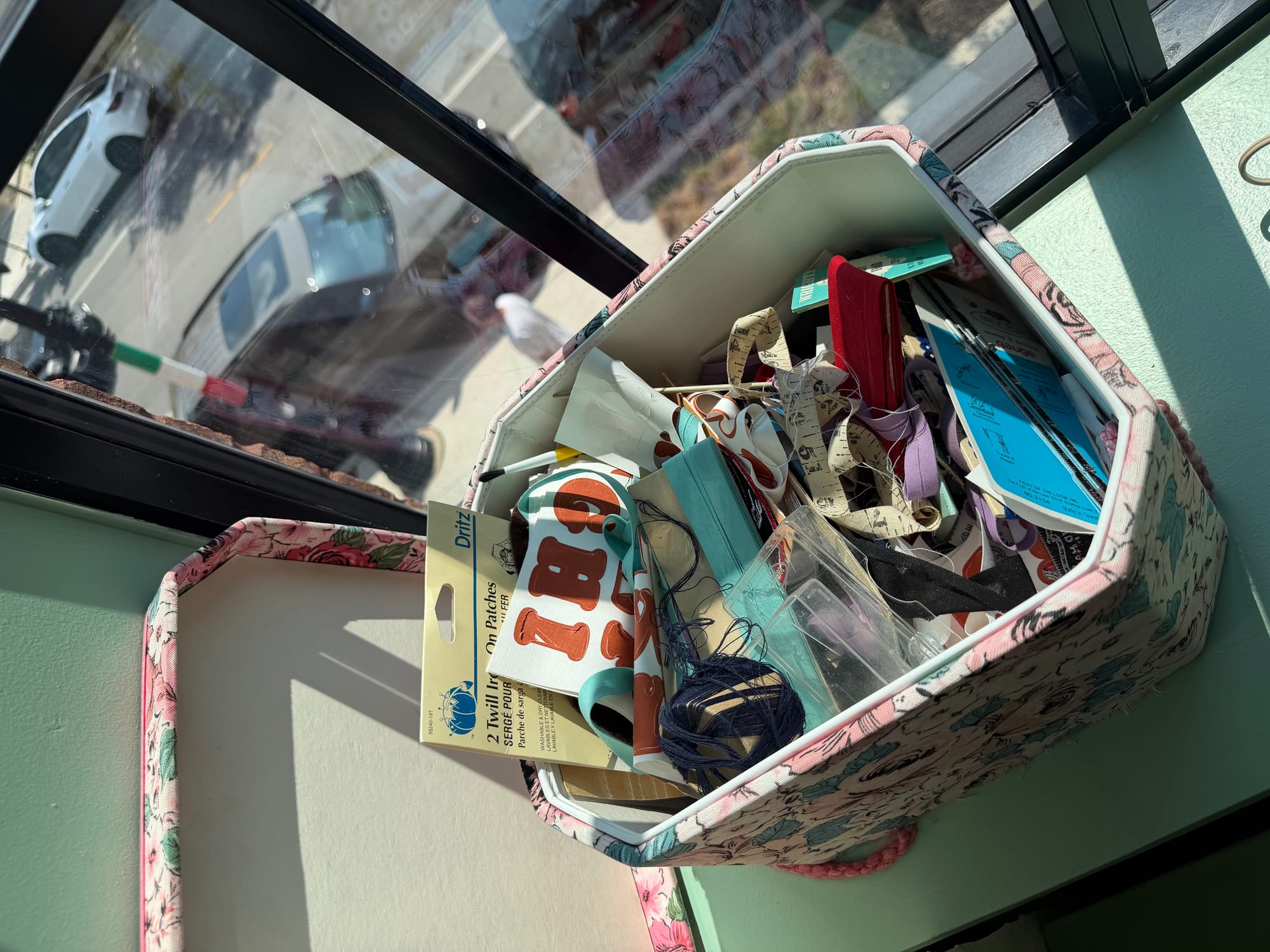
Much like the Turovitz family apartment, there's a supply of sewing and mending materials in a basket by the window.
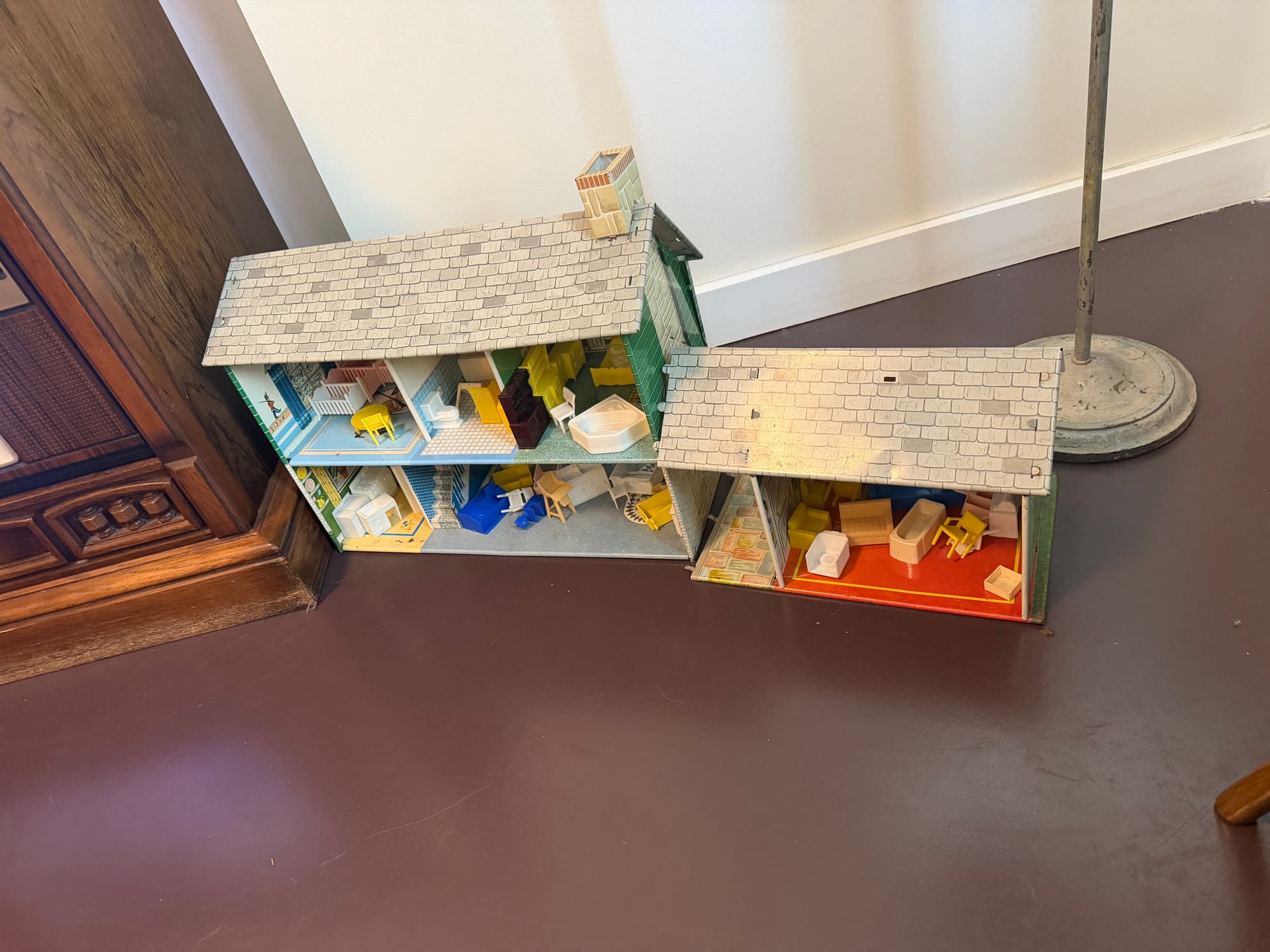
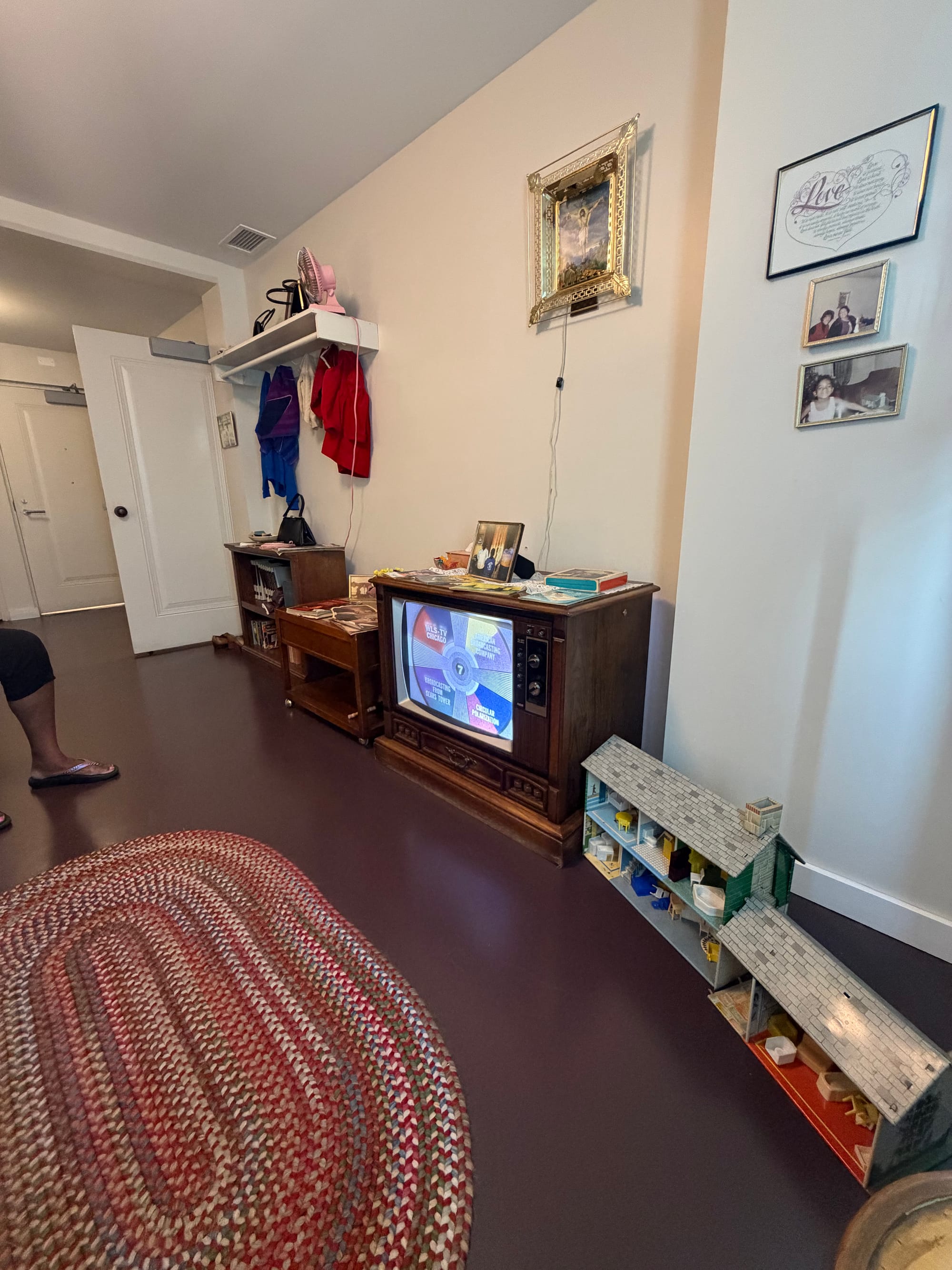
I loved seeing this sweet tin dollhouse arranged beside the old color TV. During this era, kids played near the TV so they could turn the knob to change the channel. Owning a color TV was a point of pride.
Here's a wider look at the apartment.
One special attribute you can't see in the photos: The National Public Housing Museum tour uses oral histories to tell the stories of former residents. Family members and descendants tell their own stories. Their rich, resonant voices populate the tours and bring their family's experiences back to life. As a visitor, this stylistic choice removed the barriers between me and the exhibit. Residents of public housing can also come to the museum to record their stories and add them to a growing oral history.
In the lobby, upon exiting, you'll also find a tiny shop containing meaningful items to take home as a remembrance of your visit. I bought a jar of Bubbe's homemade plum jam.
Visit the National Public Housing Museum at 919 S. Ada Street, Chicago, IL 60607, Wednesday through Sunday, 10am - 5pm.
I'd love to hear your thoughts on this post.
How many times do you reuse a tea bag and why? How has public housing touched your life? What memories and experiences does this story evoke in you?